Do you feel ‘righteous rage’ on the road?

By Elizabeth Landau, CNN
July 20, 2010 8:56 a.m. EDT
Close your eyes and think of something calming if anger is flaring up, experts say.
STORY HIGHLIGHTS
  • A person’s upbringing may reflect how he or she will handle anger in adulthood
  • “Righteous rage” is when people feel entitled to something and get angry when they don’t get it
  • Anger isn’t just bad for your relationships; it can also affect your health

(CNN) — You’re speeding along on the highway and someone cuts you off out of nowhere. Your heart starts racing, and you pound your wrists on the horn, screaming obscenities only you can hear.

It’s one of those moments when you’re so angry that you act out of character, transforming from mild-mannered to vengeful person. It’s as if something in your brain tells you that you need to fight back.

Instances of frustration are common in daily life, but sometimes it can get out of control.

Four audio recordings capturing a heated argument, allegedly between actor Mel Gibson and his ex-girlfriend, Oksana Grigorieva, have been released since July 9 by RadarOnline. In the most recently revealed recording, a man threatens to burn down the house. CNN has not independently confirmed the authenticity of the recordings.

Grigorieva and Gibson were scheduled to appear in court Tuesday for a status hearing on a restraining order that Grigorieva filed against him, alleging that he struck her in the face, according to her spokesman, Stephen Jaffe.

Gibson isn’t the only one in the news lately who’s allegedly been having anger issues. Carlos Zambrano, pitcher for the Chicago, Illinois, Cubs, has been on the restricted list since June, when he had a shout-out with teammate Derrek Lee. Zambrano has finished anger management therapy and participated Thursday in his first bullpen session since the confrontation, the Chicago Tribune reported.

Holding a grudge really impacts your relationship, and it’s empowering another person to control you.
–Robert Goldman, attorney and psychologist

Anger stems from a survival instinct, experts say. When you feel that someone is threatening your existence, you fight back to save yourself.

A calm, rational person may appear to transform into an angry beast in a traffic jam because of that need to protect oneself, said Dr. Tracy Latz, psychiatrist in Charlotte, North Carolina.

“It gets into this mentality of ‘kill or be killed,’ ” Latz said. “Subsconsciously, there’s a fear that someone else is going to kill or take power over me.”

Combine that with a sense of entitlement and you’ve got what attorney and clinical psychologist Robert Goldman calls “righteous rage.” That’s when people feel so strongly they deserve something that it blinds them to the reality of the situation, and they behave irrationally.

“While we live in a world of abundance in our country, it can also create feelings of anger and rage when we get caught up in it. We’re not able to step back and see how really lucky and blessed we are,” said Goldman, who works for the probation department of Suffolk County, New York.

In making decisions, the frontal lobe of the human brain, which is relatively new in evolutionary history, is instrumental. But the more primitive parts of the brain are involved in anger, Goldman said. Alcohol can inhibit the more thoughtful functioning and allow anger to flood out.

People tend to lash out at family members because they believe those close to them will not abandon them, no matter what, Latz said. A family setting is when people often let their guard down, which can lead to ugly confrontations.

A person’s upbringing may reflect how he or she will handle anger in adulthood, she said. If, growing up, parents expressed their anger in an inappropriate way, or repressed it altogether, the child may follow suit later. This is also how abusive behavior gets passed down from one generation to the next, she said.

“You can actually form a belief that this is how it is — we can unlearn that if we begin to be aware of it,” she said.

It’s important to understand the root of your anger, and use the sense of unfairness to become stronger, Goldman said. Think about how you can deal with the things that make you mad in a more rational fashion.

In the moment, thinking about the consequences of an action driven by anger can help stop you from going too far, he said.

Another approach is to close your eyes and think of something calming — a loved one, a spiritual being, a beautiful sunset or a piece of music that you adore, Lantz said. Meditation also helps.

Seek professional help when your anger is interfering with your ability to function in relationships, Goldman said. It doesn’t take aggression for such feelings to get out of hand; if you’re unable to move forward with your life because you’re still mad at someone for something, there’s a problem.

One client Goldman is counseling is still stuck on the fact that his mother wasn’t invited to a bar mitzvah on the wife’s side of the family. The couple is getting divorced.

“Holding a grudge really impacts your relationship, and it’s empowering another person to control you,” he said.

Anger isn’t just bad for marriage; it can also affect your health. A 2009 study in the Journal of the American College of Cardiology found that anger triggers electrical changes in the heart, which can predict future arrhythmias in some patients.

Mark Farparan also has health issues from anger — he has a condition of chronic pain and fatigue called fibromyalgia, and these days when he gets too worked up about something, his energy will be drained for hours. The breathing exercises that he and his wife learned in Lamaze class have helped him calm down in moments of frustration.

Farparan, 52, considers himself “Mr. Mellow” now, but that’s not how it always was. When his 12-year-old son was 3, Farapan once got so mad at the child that he punched a door instead of him.

“I started again in a marriage at a late time, and being a father again was kind of rough,” said Farparan, who has a 26-year-old from his first marriage and two children from his second. “I guess I was having sort of like a post-partum.”

Farparan has not done that again. Beyond the breathing, his mellowing over the past several years has to do with age, he said.

“I don’t have much time left on this Earth. I’m not going to waste it being angry,” he said.

Working overtime may harm the heart, study says

By Sarah Klein, Health.com
May 11, 2010 2:39 p.m. EDT
Health
People who worked overtime tended to sleep less and reported experiencing more stress.
STORY HIGHLIGHTS
  • Study: Doctors should see long working hours as a potential risk factor for heart disease
  • People who worked overtime were healthier in other ways
  • They were also more likely to exhibit “Type A” personality traits
  • All of the study participants were white-collar workers in England

(Health.com) — If you’ve been saying for years that long hours at work are killing you, forward this article to your boss–it might literally be true. According to a new study, people who work more than 10 hours a day are about 60 percent more likely to develop heart disease or have a heart attack than people who clock just seven hours a day.

It’s not clear why this is, but the researchers suggest that all that time on the job means less free time to unwind and take care of yourself. Stress may also play a role–but not as much as you might think. Working long hours appears to hurt your heart even if you don’t feel particularly stressed out, the study found.

“Balance between work and leisure time is important,” says the lead author of the study, Dr. Marianna Virtanen, M.D., an epidemiologist at the Finnish Institute of Occupational Health and University College London. “If you work long hours, the fact is that you may be exposed to higher stress levels and you do not have enough time to take care of your health.”

Doctors “should include long working hours on their list of potential risk factors” for heart disease, she adds.

Health.com: Head-to-toe solutions for stress

Dr. Virtanen and her colleagues followed more than 6,000 British civil servants with no history of heart disease for an average of 11 years. The participants were all drawn from a larger, ongoing study known as Whitehall II that began in 1985.

During the study, a total of 369 people had heart attacks (some of them fatal) or were diagnosed with heart disease after seeking medical attention for chest pain.

Compared to people who worked seven hours a day, those who worked 10 to 12 hours a day had a 56 percent increased risk of heart disease, heart attack, or death. Those who worked for 8 to 10 hours a day were not at increased risk.

The findings are “sort of a wakeup call,” says Dr. Gordon McInnes, M.D., a professor of clinical pharmacology at the University of Glasgow, in the U.K., who wrote an editorial accompanying the study. Doctors should be extra vigilant about the heart health of patients who work long hours, he says.

Health.com: 10 free ways to fight depression

The study doesn’t say how, exactly, long hours at work might affect heart health. To try to pinpoint the effect of work time, Dr. Virtanen and her colleagues took a range of health factors into account in their analysis, including blood pressure, cholesterol levels, diet and exercise, and whether or not the participants smoked. They also factored in the workers’ rank and salary, since socioeconomic status has been linked to heart health.

Health.com: 10 ways to stop work-related back pain

In some ways, the people who worked overtime were healthier than those who worked just seven hours a day. They were less likely to drink heavily and smoke, for instance, and they got more exercise. On the other hand, they tended to sleep less and reported experiencing more stress, having more demanding jobs, and having less control over their work.

They were also more likely to exhibit “Type A” personality traits. Type A behavior includes aggressiveness, irritability, and a “chronic, incessant struggle to achieve more and more in less and less time,” according to the study.

But the workers who burned the candle at both ends were still at greater risk of heart disease even when all of these factors were accounted for, which suggests that something besides stress, personality, and behaviors such as smoking may be responsible.

Health.com: Stress-busting gadgets that really work

Still, workplace stress may have affected the study’s findings in spite of the researchers’ attempts to control for it, says Dr. McInnes. “I personally think stress was involved,” he says. “These people did a lot of extra work, which I would think is stressful. But it’s very difficult to be sure.”

Peter Kaufmann, Ph.D., a researcher at the National Heart, Lung and Blood Institute in Washington, D.C., says that this type of study (known as an observational study) can’t prove whether long hours directly increase heart risk. For instance, Kauffman says, it’s possible that the workers’ overall lifestyle–including type A behavior–contributed to the long hours and the heart risk observed in the study.

“You would expect people who are more driven and more impatient to work longer hours to get things done,” Kaufmann says. “But they may be equally driven and impatient with the people around them, family and friends. They may have disorganized work habits and lives. Or [the long hours] may reflect failed social relationships or that they use work as a means to escape.”

Health.com: The best foods for your heart

The study had other limitations. The researchers only measured blood pressure and hours worked at the start of the study, and were therefore not able to track how these factors may have interacted over time, McInnes says. Blood pressure can be affected by stress and can in turn cause heart problems.

In addition, as the study notes, the researchers did not know whether the workers had been diagnosed with anxiety or depression, both of which have been linked to heart disease.

Lastly, all of the study participants were white-collar workers in England, which means the findings may not apply to all workers everywhere.

Copyright Health Magazine 2010

Job strain ups heart-attack risk in women

Health
By Anne Harding, Health.com
November 14, 2010 8:06 a.m. EST
Women who's jobs require them to work "very hard" or "very fast" are 88 percent more likely to have a heart attack.
Women who’s jobs require them to work “very hard” or “very fast” are 88 percent more likely to have a heart attack.
STORY HIGHLIGHTS
  • Women with demanding jobs twice as likely to have a heart attack as peers with easier jobs
  • Those with a lot of job strain were 43 percent more likely to need heart surgery
  • Women who are worried about losing their jobs are more likely to be physically inactive
  • Women are more likely than men to experience job strain

(Health.com) — Women with very demanding jobs are nearly twice as likely to have a heart attack as their peers in more easygoing occupations, a new study suggests.

Researchers at Harvard Medical School analyzed 10 years of survey and medical data on more than 17,000 women in the health profession. The women, who were enrolled in a long-running study on heart disease, were all in their 50s or early 60s when the study began.

The women who said their job requires them to work “very hard” or “very fast” but who have little say over their day-to-day tasks — a combination known as “job strain” — were 88 percent more likely than those in less-stressful jobs to have a heart attack.

They were also 43 percent more likely to need heart surgery, according to the study, which was presented Sunday at an annual meeting of the American Heart Association in Chicago.

Health.com: Job killing you? 8 types of work-related stress

In addition, women who were stressed out by work — or worried about losing their jobs — were more likely than those with steady employment to be physically inactive and to have high cholesterol. (Job insecurity by itself did not appear to increase the risk of heart attack, however.)

“This new data is among the most important to emerge in recent years concerning the relationship between job strain and cardiovascular health,” says Peter Kaufmann, Ph.D., a researcher at the National Heart, Lung, and Blood Institute who has studied mental health and heart disease but was not involved in the new research.

Doctors and other experts in the field need to do more to help people manage work-related stress, Kaufmann adds. The findings “emphasize that progress is needed urgently in this arena,” he says.

Health.com: Head-to-toe solutions for stress

The increased risk of heart attack seen in the study can’t be attributed solely to health or socioeconomic factors. To zero in on job strain, the researchers controlled for age, race, education, and income, as well as blood pressure, body weight, and cholesterol.

And even though all of the women in the study were health professionals, it was a “very socioeconomically diverse” group that included doctors, nurses, dietitians, and researchers, says the lead author of the study, Dr. Michelle Albert, M.D., a cardiologist at Brigham and Women’s Hospital, in Boston.

Much of the research to date on job stress and heart health has been done in men. But women are more likely than men to experience job strain, not to mention stress related to home and family demands, says Paul Landsbergis, Ph.D., an associate professor of environmental and occupational health sciences at SUNY Downstate Medical Center, in Brooklyn.

Health.com: I was too busy for heart disease — until it almost killed me

“The results certainly imply that we need to do more to make jobs healthier,” Landsbergis says. One way to accomplish this, he adds, might be to give individual workers more control over their jobs through collective bargaining and other types of organizing.

For her part, Albert recommends some simple steps to help women limit the impact of work-related stress: Exercise regularly, try to leave your work at the workplace, and take 10 to 15 minutes a day to relax and concentrate on your physical, mental, and emotional health. It’s also important to have a network of family and friends to help you cope, she says.

Health.com: 25 ways to really relax this season

“We’re never going to be able to get rid of stress — some stress is positive, actually,” Albert says. “The negative aspects of stress we’re going to need to learn how to manage.”

The AHA’s annual Scientific Sessions meeting highlights the latest heart-related research and treatment advances. Unlike studies published in medical journals, the research presented at the meeting has not been vetted by independent experts in the field.

Copyright Health Magazine 2010

The secrets to a super-happy winter

Health
By Leslie Barrie, Health.com
December 24, 2010 8:50 a.m. EST
t1larg.happy.winter.gi.jpg
STORY HIGHLIGHTS
  • It may be gloomy outside, but your outlook doesn’t have to be
  • Exercise can boost your mood, and you need that lift even more during the winter
  • Staying warm is a surprising secret to feeling merry

(Health.com) — Freezing temps? Check. Gray skies? Check. Crabby mood? Check again. But not for long!

It may be gloomy outside, but your outlook doesn’t have to be:

“There are simple things you can do to stay positive,” says Sonja Lyubomirsky, Ph.D., a professor of psychology at the University of California, Riverside, and author of “The How of Happiness.”

“It’s important to keep your mood up because it can help you avoid everything from gaining extra pounds to feeling lethargic.”

Try these techniques to stay sunny all winter long — no trip to the Bahamas required!

Health.com: 7 signs of seasonal affective disorder

Step #1: Winterize your workout

It can be tough to muster the motivation to make it to the gym when the temperature is below zero. But “exercise can boost your mood, and you need that lift even more during the winter,” says Patricia Laguna, Ph.D., a professor of kinesiology at California State University, Fullerton.

If you have S.A.D., you’re hibernating

Laguna suggests that you give yourself some incentive. Jot down an exercise schedule at the beginning of the week, varying the type of sweat fest to keep it interesting; then reward yourself with a small treat, like a mani-pedi, when you stick to it.

And consider braving the elements: Research shows that exercising outside can lift your spirits, but if the weather won’t cooperate, keep a go-to exercise DVD on hand.

Health.com: Winter-proof your run

Step #2: Eat your way upbeat

Try to resist the call of fatty, sugary comfort fare. Highly refined carbs and sugar can wreak havoc on your blood sugar level, which can leave you feeling cranky, says Elizabeth Somer, R.D., author of “Eat Your Way to Happiness.”

Some comfort foods, however, can double as healthy pick-me-ups, especially if they contain mood-boosting nutrients like omega-3 fatty acids, good carbohydrates (think whole grains and vegetables), protein, and B vitamins.

Sommers suggests oatmeal for breakfast, because it contains fiber-rich whole grains that increase serotonin, a feel-good chemical in your brain, and it steadies your blood sugar level. For dinner, toss omega-3-rich salmon with whole-wheat pasta.

Health.com: Foods to boost your mood

Step #3: Get your group on

Bears may hibernate, but we humans weren’t meant to hide away in our dens all winter. In fact, socializing is a very powerful way to boost your mood, says Dr. Esther Sternberg, M.D., author of “The Balance Within.”

Instead of holing up in your house until spring, set aside some time each day for a “buddy moment,” whether that’s grabbing a quick lunch with a co-worker or meeting your sister for a Spinning class. Establishing “get together” routines also helps, Sternberg adds: Start a wine-tasting club, or invite friends over for a dance-workout party.

Health.com: Loneliness hurts the heart

Step #4: Relish winter’s pleasures

Hot toddies! Warm woolen mittens! Ice-skating! Taking the time to savor the most amazing things about this season can make you more content, Lyubomirsky says.

“When you enjoy rather than dread what’s around you, your optimistic thoughts will start trumping your negative ones,” she explains.

Next time your mind starts to drift toward your numb toes and nose, refocus on the positive — you’ll be able to sip tea in front of a crackling fire as soon as you get home.

Health.com: Hot drinks for chilly days

Step #5: Anticipate a great escape

There’s not a whole lot to look forward to after all the holiday hubbub. (Presidents Day? C’mon!) So start hatching a scheme to skip town now: Planning a trip — or even just thinking about one in the future — can make you happier, according to a study in the journal Applied Research in Quality of Life.

If you can spare the time and cash for a getaway, book one ASAP. If not, start researching a late-spring or summer expedition, because even thinking about it will be magic for your mood.

Stay on top of flight deals on airfarewatchdog.com, and sign up for private sale travel sites like vacationist.com and jetsetter.com for insider prices.

Health.com: Your healthy travel planner

Step #6: Dress for the weather

Sure, stuffing yourself into a down parka can make you feel (and, OK, look!) like the abominable snowman. But staying warm is a surprising secret to feeling merry.

“Winter’s cold can make you feel sluggish because of the increased energy demand on your body,” says Dr. Vincent Pedre, M.D., a clinical instructor of medicine at Mt. Sinai Medical Center in New York City.

For the easiest spirit-lifter, bundle up; don’t leave home without your scarf, gloves, and hat.

Health.com: How to sick-proof your winter

Step #7: See the light

Dim days got you down? A lack of vitamin D could be to blame. Your body produces D — which has been shown to help regulate mood — when your skin is exposed to UVB light.

But in the winter, the sun’s rays aren’t strong enough in the northern half of the United States to power D production. Ask your doc for a simple blood test to see if you’re deficient, and talk to her about taking a supplement if you are.

Beyond the D factor, sunlight increases levels of serotonin and also works to suppress melatonin, a chemical that makes you drowsy, explains Norman Rosenthal, MD, author of Winter Blues.

To get your fill, consider investing in a light box, which can help combat sluggishness. And be sure to pop outside whenever you do spot some rays.

Onsite Massage – Is Onsite Massage as Good as Other Types of Massage

If you have been considering onsite massage for your employees you may be wondering how good it might be and if it is worth the investment. The only way to know for sure is to try it, but it is important to note that there are some fundamental difference between a regular massage and an onsite massage.

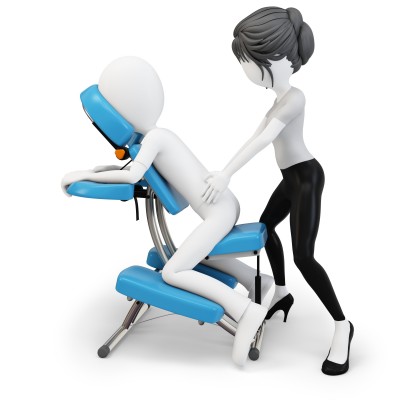
First off many times an onsite massage is done sitting up, the patients clothes are still on and no oils are used. This means that the massage therapist much target the areas much intensely to achieve the same results, acupressure, Swedish and Shiatsu massage are used to accomplish this.

Onsite massage is most often shorter than traditional massages, but this is part of the dynamic that makes it work so well in the work environment. The massage servers as a stress busting therapy that allows them to go back to their jobs ready to focus and work. If you would like more information about onsite massage, take a look at our website Body Charge and see why onsite massage might be right for your business.

Employee Massage – Make Employee Appreciation Day Truly Special

It has long been known that a little bit of employee appreciation goes a long way, not only will it help to improve people’s attitudes about their jobs but it can also help to improve productivity and reduce the rate of injury and employee turnover. One of the ways that you can show your appreciation is to have an employee appreciation day and offer an employee massage to each one of your employees.

You can have a company such as Body Charge come into your place of business and offer massages on site, this can not only help improve attitudes, but it is proven that massage offers several benefits that can increase your profits. An employee massage will improve energy and focus; this means more productivity from your employees. Not only that but it will also reduce injury since massage can relax muscles and tense or stiff muscles are a major issue in injuries on the work place.

Corporate Massage – What To Do When Motivation Starts to Lag

We are all human and when work gets stressful, hard and sometimes just plain boring, our motivation starts to lag. We may start by not wanting to get up in the morning, then we find eventually that we simply have to drag ourselves to work so much we do not want to be there. Wise companies have found that taking care of their employees can help this lack of motivation and improve their employees creativity and productivity. While there are many different ways to do this, one of the best ways is through Corporate Massage.

Corporate massage has many benefits and most companies are finding it is well worth the investment. Not only can it help to prevent injuries, but it can help employees to have a more positive outlook, deal with stress better and have a better focus on their responsibilities. Body Charge offers corporate massage for your office and can help you breathe new life into your employees.

In Office Massage – Treat Your Employees to a Massage For the Holidays

If you are looking for a good gift for your employees this Christmas why not offer them an in office massage? Not only is this a great way to increase productivity in your office, but what more perfect time could there be than during the holidays. Traditionally the holidays are one of the more stress times of the year so offering your employees an in office massage as a Christmas gift can help them to relax, refocus and head home feeling refreshed.

The office Christmas party may be a great time to offer a massage to each of your employees, they will be able to spend a bit of time relaxing and unwinding in a festive atmosphere with relaxing music and the companionship of coworkers. If you would like to offer an in office massage to your employees for Christmas then contact Body Charge they will come to your business fully equipped and offer full massages to your employees.

Seated Chair Massage – Did you Know These Few Minutes Could Increase Productivity

Everyone knows that stress and pain are productivity killers, but the question has long been what to do about it, employers have done everything from creating educational programs, to wellness packages that have included health club discounts for their employees in an effort to help them deal with stress. One innovative idea that is gaining in momentum is the seated chair massage, this service can be performed at working during a time of the day when stress may be reaching its peak, this can help employees to be more focused and that means better productivity.

Not only can seated chair massage offer benefits in terms of more productivity but it can improve the overall atmosphere of your entire office. People who are not in pain or stressed are normally much easier to work with and this can keep the normal flare ups between employees from erupting. Body Charge offers on site seated chair massage for your employees, you will find their services to be professional and affordable.

Cut the Costs of Health Care with On Site Chair Massage Services

Most companies are looking for ways to cut down on their medical costs while increasing their overall productivity and employee retention rate. In many cases an on-site chair massage is becoming a standard part of the corporate wellness package and is making a major difference in the overall health of their employees. A chair massage can help to relieve the day to day stress of the job, relax the person’s muscles and relieve fatigue.

A quality on-site chair massage has been shown to relieve two of the most common causes of work related illnesses that result in lost time, headaches and back injuries. Stress has long been known to be a leading cause of employee turnover. You will find it much easier to retain your best employees by providing them with a stress relieving chair massage on a regular basis. The less stress they have to deal with, the fewer trips to the doctor they will make, helping to keep your healthcare costs down.

Body Charge can provide your company with regular on-site chair massage services by experienced massage therapists that will help keep your employees happy and much healthier.